
The psychological effects of gambling Understanding the mind behind the wager pinco
The allure of gambling and its psychological roots
The thrill of gambling often stems from a psychological combination of excitement, risk-taking, and the allure of potential reward. Many individuals are drawn to gambling due to the adrenaline rush it provides. This can create a powerful emotional experience, which can be both exhilarating and dangerous. In fact, the excitement of placing a wager can make sites like pinco casino canada particularly appealing, facilitating a temporary escape from reality for many.
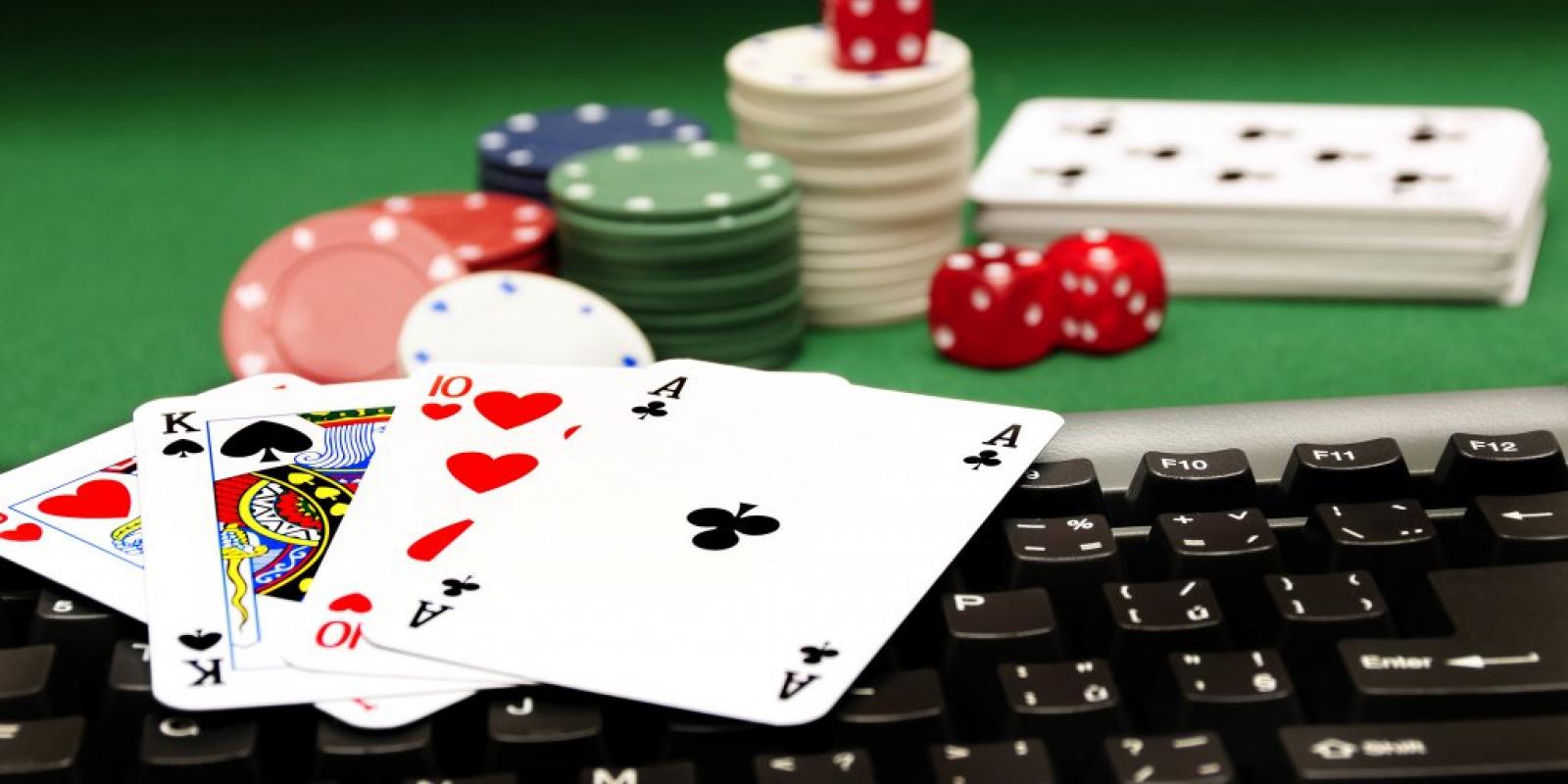
This psychological pull is intensified by the unpredictability of gambling outcomes. The uncertainty surrounding whether one will win or lose can create a heightened state of anticipation, leading gamblers to engage in behaviors that might seem irrational. This phenomenon is often referred to as the “gambler’s fallacy,” where individuals believe that past outcomes influence future results, despite the odds remaining unchanged.
The impact of cognitive biases on gambling behavior
Cognitive biases play a significant role in how individuals perceive their chances of winning when gambling. One common bias is the illusion of control, where gamblers believe they have influence over the outcome of games, particularly in games of chance. This belief can lead players to take greater risks, as they feel more confident in their abilities than is justified.
Another cognitive bias is the availability heuristic, which causes individuals to recall vivid memories of past wins more easily than losses. This can distort a gambler’s perception of their overall success and encourage continued participation in gambling activities, even when they are experiencing more losses than wins.
The social and cultural dimensions of gambling
Gambling is often interwoven with cultural practices and social interactions. In many societies, it serves as a communal activity that fosters bonding among participants. Social acceptance of gambling can further encourage individuals to partake, sometimes leading to normalization of excessive gambling behaviors within specific groups.
Moreover, cultural perspectives on gambling vary widely across the globe. While some cultures embrace gambling as a traditional pastime, others may view it as taboo. These differing attitudes can significantly influence individual gambling behaviors and the psychological effects experienced by participants.
The risks of gambling addiction
Gambling can lead to addiction, which has profound psychological and emotional effects. For some individuals, the enjoyment of gambling can evolve into a compulsive behavior that is difficult to control. This addiction can result in significant financial, emotional, and social consequences, including strained relationships and deteriorating mental health.
The psychological impact of gambling addiction often includes feelings of guilt, anxiety, and depression. Individuals may find themselves in a cycle of chasing losses, leading to further financial troubles and worsening mental health. Understanding these psychological effects is crucial for both gamblers and their loved ones, as early recognition can help in seeking appropriate help.

Explore your gaming experience with Pinco Casino
Pinco Casino offers a diverse online gaming platform designed to engage users while prioritizing their mental well-being. By providing a wide range of games and incorporating user-friendly features, the platform aims to create a balanced gaming experience that is both exciting and responsible.
Recognizing the importance of responsible gambling, Pinco Casino also provides resources for users to understand and manage their gaming habits. This commitment to user safety and satisfaction sets the platform apart, making it a go-to destination for a thrilling yet mindful gaming experience.
