
Cultural perceptions of gambling A journey through diverse views and beliefs
The Historical Context of Gambling
Gambling has a rich and varied history that reflects the cultures and societies it has influenced. From ancient civilizations to modern societies, games of chance have been integral in shaping social interactions and economic practices. In many cultures, gambling has roots in religious rituals, such as the casting of lots, which were used to make decisions or foretell the future. These historical practices established a foundation for contemporary gambling behaviors and attitudes, revealing how deeply intertwined chance and fate are in human experiences. For those looking to try their luck at the best games, aus online casinos offer exciting options.

Over the centuries, gambling has evolved, often mirroring societal values and norms. In some cultures, it is seen as a source of entertainment and community bonding, while in others, it carries stigma or is viewed as morally questionable. Understanding these historical contexts provides a lens through which we can evaluate current perceptions of gambling across different societies.
Cultural Attitudes Toward Gambling
Cultural attitudes toward gambling vary significantly around the globe, influenced by religious beliefs, social values, and economic conditions. For instance, in countries like China, gambling is deeply embedded in social customs, particularly during festivals where games of chance symbolize prosperity and good fortune. Conversely, in Islamic cultures, gambling is often viewed as haram, or forbidden, reflecting the religious teachings that advocate for responsible and ethical behavior in financial matters.
These cultural attitudes shape the laws and regulations surrounding gambling, leading to a complex web of legal frameworks and societal acceptance. In regions where gambling is regulated and normalized, it can contribute positively to local economies, whereas in places where it is frowned upon, it often remains a clandestine activity, fraught with legal and social repercussions.
The Psychology of Gambling
The psychological aspects of gambling reveal how personal beliefs and societal perceptions intersect. Cognitive biases, such as the illusion of control and gambler’s fallacy, affect individual behaviors and attitudes toward gambling. Many individuals believe they can influence outcomes based on past experiences, which reinforces their engagement with gambling, whether viewed positively or negatively by society. This underscores the importance of promoting responsible gambling practices to mitigate potential negative impacts.
Additionally, the psychological impact of gambling can be profound, leading to issues such as addiction. This dual nature of gambling—as both a form of entertainment and a potential path to compulsive behaviors—highlights the importance of understanding how diverse cultural perceptions can influence individual psychology and societal norms surrounding responsible gambling.
Responsible Gambling Across Cultures
The concept of responsible gambling has gained traction as societies become more aware of the potential harms associated with excessive gambling. Various cultures have begun to implement measures aimed at promoting responsible behavior, from public awareness campaigns to the establishment of regulatory bodies overseeing gambling activities. These initiatives are crucial in creating a balanced view of gambling that prioritizes player welfare.
However, the definition of responsible gambling can differ significantly between cultures. While some advocate for strict regulations and harm reduction strategies, others emphasize personal responsibility and choice. This divergence can lead to conflicting approaches and attitudes, making it essential for stakeholders to engage in cross-cultural dialogues to develop effective solutions that resonate across different societies.
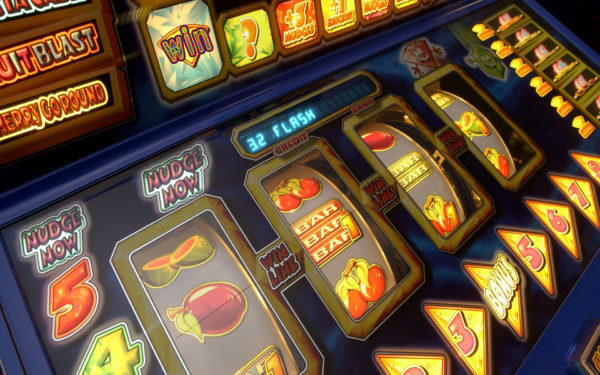
Exploring Diverse Views on Gambling
As we delve into the myriad cultural perceptions of gambling, it becomes clear that these views are shaped by a combination of historical context, religious beliefs, and societal norms. The journey through these diverse beliefs provides valuable insights into how gambling is not merely a pastime but a reflection of deeper cultural values and attitudes. Understanding these nuances fosters greater empathy and awareness regarding the complexities of gambling within various communities.
For those interested in further exploring this fascinating topic, many resources exist that offer in-depth analyses and discussions on gambling across cultures. These platforms can enhance our understanding and appreciation of the diverse perspectives surrounding gambling, ultimately promoting a more responsible and informed approach to gaming activities.
